
Recognizing Symptoms of Asbestos-Induced Stomach Cancer


Intro
Asbestos exposure, long known for its harmful effects, is often linked to respiratory diseases. However, its implications extend far beyond the lungs, touching the digestive system and, alarmingly, associating with stomach cancer. The intricate relationship between various types of asbestos fibers and gastric malignancies continues to unfold as research advances. Understanding the symptoms of asbestos-related stomach cancer is crucial, not only for those who might have been exposed but also for health professionals seeking to recognize early signs.
Despite the decline in asbestos usage due to health concerns, individuals who have encountered this toxic substance remain at risk. One might think that since asbestos is less common today, the associated health risks have diminished, yet this misconception can lead to severe consequences. Symptoms sometimes manifest decades after exposure, making proactive awareness and education essential.
Recognizing the landscape of asbestos-related health issues entails delving into the specifics of how these fibers impact the body, the stages of symptom development, and the pivotal role that early detection plays in treatment and management. This article aims to provide a layered understanding of the subject, offering insights that are vital for navigating the complexities of gastric health concerning asbestos exposure.
Prologue to Asbestos and Its Health Impacts
Asbestos remains a topic of considerable importance in public health discussions due to its long-lasting implications. This mineral, once heralded for its fire-resistant properties, is a notorious culprit behind various health issues, notably various forms of cancer. The association between asbestos exposure and its pernicious effects on health cannot be overstated. Particularly, as we turn our attention to stomach cancer, understanding how asbestos contributes to these malignancies becomes a vital pathway to prevention, early detection, and effective treatment.
Overview of Asbestos
Asbestos is a collective term for a group of naturally occurring fibrous silicate minerals. These minerals are unique due to their fibrous crystalline structure, which allows them to act as an effective insulator. Their characteristics once made them a popular material in a variety of industries such as construction, shipbuilding, and automotive. However, it was soon discovered that exposure to asbestos fibers could lead to serious health concerns. Inhalation or ingestion of these fibers can cause a range of diseases, including asbestosis, mesothelioma, and indeed, stomach cancer.
Historical Use of Asbestos and Health Concerns
Historically, asbestos was viewed as a modern miracle; it was used in insulation, flooring, and even textiles. The claims of its safety were pervasive, and many dense urban structures utilized it extensively. Despite its seeming advantages, the health dangers associated with asbestos were progressively revealed through decades of research. Emerging studies led to a clearer understanding of the toxic effects of asbestos exposure, leading to its ban in many countries. The World Health Organization even recognizes asbestos as a significant carcinogen. The long latency period of asbestos-related diseases means that those who were exposed in the past continue to face risks, particularly regarding cancers of the digestive system, such as stomach cancer.
Understanding these elements highlights the need for an informed approach when dealing with asbestos-related health issues. Gaining knowledge about the nature of this mineral and its adverse effects on human health is critical in combating the ongoing legacy of asbestos. As we delve deeper into the topic, the focus will shift to the specific symptoms linked to stomach cancer and how they relate to asbestos exposure, creating a roadmap for awareness and preventive strategies.
Asbestos and Cancer: An Overview
The link between asbestos exposure and various forms of cancer cannot be overstated. Understanding how asbestos interacts with biological systems lays the foundation for recognizing the broader implications of this hazardous material. This section serves as a vital introduction to the types of cancers that are most commonly associated with asbestos, yielding insights that can be life-saving for those who may have been exposed.
Types of Cancer Associated with Asbestos Exposure
Mesothelioma
Mesothelioma is a distinct type of cancer primarily affecting the lining of the lungs but can also target the abdominal cavity. What sets mesothelioma apart from other cancers is its strong link to asbestos exposure, often manifesting decades after the initial contact. This unique latency period makes awareness and early detection critical because symptoms usually do not emerge until the disease is well-advanced. The intensity of the illness combined with its lengthy incubation period makes understanding this specific cancer essential for those at risk.
- Key Characteristic: Mesothelioma is characterized by its association with asbestos fibers entering the pleura or peritoneum, leading to malignant transformation.
- Significance: It exemplifies the dire consequences of asbestos exposure and illustrates why this article focuses on it. The unique relationship poses a good case study for understanding how asbestos wreaks havoc on cellular processes.
Lung Cancer
Lung cancer stands out as a prevalent outcome of asbestos exposure, further complicating clinical presentations. The mechanisms at play involve asbestos fibers causing chronic inflammation and cellular damage within lung tissues. These processes foster an environment ripe for cancer development.
- Key Characteristic: One of the notable features of asbestos-related lung cancer is that it can occur in individuals with no significant history of smoking, subtly challenging preconceived notions about lung cancer risks.
- Importance: Addressing lung cancer not only broadens the understanding of the dangers associated with asbestos but also provides insights into preventive strategies. The interplay of smoking and asbestos further complicates risk profiles in those exposed.
Gastrointestinal Cancers
Gastrointestinal cancers, including stomach cancer, form another category potentially influenced by asbestos exposure. The pathways through which asbestos may trigger gastrointestinal malignancies are still the subject of ongoing research. However, the emerging evidence suggests that inhaled asbestos fibers may find their way into the digestive system.
- Key Characteristic: The link isn’t as clear-cut as with mesothelioma or lung cancer, but studies indicate a statistically significant increase in these cancers among individuals with past asbestos exposure.
- Implication: This association emphasizes the importance of monitoring gastrointestinal symptoms in asbestos-exposed individuals, urging healthcare providers to consider a broader range of cancer risks during evaluations. The potential consequences of overlooking these connections highlight the necessity for cautious medical assessments.
Mechanisms of Carcinogenicity
Understanding the mechanisms of carcinogenicity attributed to asbestos is crucial in untangling the nexus between these fibers and cancer development. By comprehensively examining the cellular and molecular pathways affected by asbestos exposure, one can glean insights into prevention and treatment strategies. It is important to note that while it has been established that asbestos contributes to cancer, the specific mechanisms often differ depending on the type of cancer. For instance, fibers can cause physical damage to DNA and create chronic inflammation, both of which are pivotal in the development of malignancy. Identifying these mechanisms can inform clinical practice and guide future research efforts.
"The more we understand how asbestos affects our bodies, the better equipped we are to combat its dire consequences."
In sum, the exploration of asbestos-related cancers sheds light on a complex relationship that merits further investigation. By diving into specific cancers associated with asbestos exposure, this article aims to provide a granular understanding of the risks involved, thereby enhancing public awareness and encouraging proactive health management.
Stomach Cancer: An Overview
Understanding stomach cancer is pivotal when examining the impacts of asbestos exposure. This form of cancer, while less publicized than lung cancer, presents unique challenges and symptoms that merit attention. The direct link between asbestos and stomach cancer is a growing topic of research, particularly as the former is linked to various malignancies. Knowing what stomach cancer entails can help recognize symptoms early, thus improving prognoses.
Definition and Types of Stomach Cancer
Stomach cancer, clinically known as gastric cancer, refers to uncontrolled cell growth in the stomach lining. As for types, the most prevalent one is adenocarcinoma, making up roughly 90% of all cases. Additionally, other rarer forms include lymphoma and carcinoid tumors.
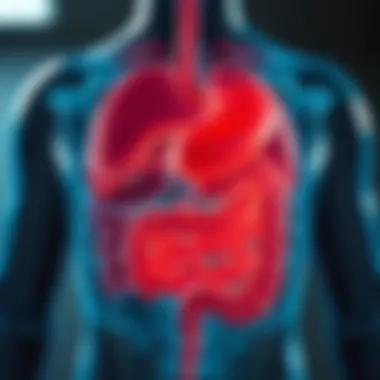

Adenciocarcinoma sits at the forefront, categorized by the location of the tumor within the stomach:
- Cardia (the upper section of the stomach)
- Body (the central portion)
- Antrum (the lower section leading to the small intestine)
Each type may display distinct symptoms and necessitate varying treatment approaches, emphasizing the need for thorough diagnosis.
Global Incidence and Risk Factors
The global prevalence of stomach cancer can be alarming, with an estimated 1 million new cases diagnosed each year. Regions such as East Asia witness significantly higher rates, while parts of Africa and North America report lower instances.
Risk Factors
The risk factors associated with stomach cancer are multifaceted. Some noteworthy considerations include:
- Age: Typically, older adults over 60 are more susceptible.
- Diet: High salt intake, smoking, and certain dietary patterns can elevate risk.
- Infection: Helicobacter pylori, a bacterium, has been strongly linked to the disease.
- Family History: Genetic predispositions may also play a role.
Asbestos exposure, while it’s often tethered to lung-related diseases, poses a risk for stomach cancer due to the potential inhalation of fibers that may settle in the gastrointestinal tract. More research is needed to delineate these connections, but the increasing incidence of gastric cancers among asbestos-exposed individuals is not to be overlooked.
"With a better understanding of stomach cancer and its symptoms, we can enhance awareness and promote earlier diagnoses, ultimately improving patient outcomes."
This information is crucial, not just for those at risk, but for anyone involved in healthcare or public policy, as it raises important considerations for prevention and awareness campaigns.
Symptoms of Stomach Cancer Related to Asbestos
Recognizing the symptoms associated with stomach cancer that stems from asbestos exposure is crucial for early detection and treatment. For individuals with a history of asbestos exposure, understanding these symptoms can lead to a timely diagnosis, ultimately impacting treatment outcomes. As this article explores these symptoms in depth, we aim to shed light on what to watch for and why these indicators matter.
Common Symptoms Experienced
Abdominal Pain
Abdominal pain is often one of the first signs that individuals may notice when facing stomach cancer linked to asbestos. This symptom typically manifests as a dull ache that might come and go, leading to discomfort that can be easily mistaken for other less serious conditions. What sets this pain apart, however, is its potential to become more persistent as the cancer progresses. Recognizing the pattern of this pain is crucial. The unique feature here is that it can be attributed to tumor growth, affecting surrounding tissues and organs.
Disregarding abdominal pain can lead to delays in diagnosis. Therefore, if someone has a background of asbestos exposure and experiences this ongoing discomfort, it is advisable to consult a healthcare professional.
Nausea and Vomiting
Nausea and vomiting, while common symptoms of various illnesses, can have significant connotations when related to stomach cancer. This symptom can arise as a reaction to cancer's disruptive effects on the digestive process. Notoriously unpredictable, nausea can range from mild queasiness to severe bouts of vomiting.
What's particularly noteworthy about these symptoms is their timing. Individuals might experience nausea with no clear triggers, creating a sense of confusion and uncertainty. Understanding this can help individuals realize when it’s time to seek medical advice, especially considering their previous exposure to asbestos.
Changes in Appetite
Changes in appetite can serve as an early warning flag for stomach cancer in those exposed to asbestos. This symptom might manifest as a sudden loss of interest in food, a feeling of fullness after eating only small amounts, or in some cases, an unusual craving for specific foods. This symptom is vital because it can lead to nutritional deficiencies, exacerbating other health issues.
Moreover, this change may indicate tumor growth affecting the stomach's normal function. Observing and documenting these changes can provide critical information for healthcare providers, allowing them to make informed decisions about diagnostics and treatment options.
Advanced Symptoms of Stomach Cancer
Unexplained Weight Loss
Unexplained weight loss is another alarming symptom associated with stomach cancer related to asbestos exposure. When individuals lose weight without making any significant changes to their diet or lifestyle, it can be a red flag. This symptom often reflects the body's struggle to absorb nutrients adequately, as the cancer disrupts normal digestive processes.
The key characteristic here is that it tends to occur in the later stages of illness. Thus, it’s essential for those with asbestos exposure to closely monitor their weight and communicate changes to their healthcare provider at the earliest sign.
Difficulty Swallowing
Difficulty swallowing, also known as dysphagia, is often noted as cancer progresses. This symptom may arise from a tumor narrowing the esophagus or causing discomfort, making it hard to swallow both solids and liquids. It can be a distressing experience, driving individuals to avoid eating altogether.
This symptom’s significance lies in its implications. If someone with a prior asbestos exposure begins having trouble swallowing, it necessitates further evaluation. Reporting this issue promptly can facilitate earlier diagnosis, making an essential link in the chain of managing potential cancer-related consequences.
Anemia
Anemia can also be a companion to stomach cancer, often stemming from chronic bleeding within the stomach lining. Patients may experience fatigue, weakness, and pale skin as primary indicators. This symptom, commonly overlooked, can result in a significant deterioration of quality of life if left unaddressed.
Being aware of anemia as a potential symptom can help populate the conversation around stomach cancer risk. Individuals with any history of asbestos exposure should include it in their discussions with healthcare professionals, particularly if they have other symptoms that align with gastric malignancies.
"Being proactive in understanding symptoms can lead to better health outcomes."
Monitoring these symptoms related to asbestos exposure is an essential part of an individual's health care, paving the way for potential early intervention. Individuals can increase their chances of timely diagnosis and favorable outcomes by remaining vigilant.
Diagnosis of Stomach Cancer
Diagnosing stomach cancer is a critical step in understanding and addressing the disease, especially when considering the potential links to asbestos exposure. Early detection can tilt the scales significantly in favor of effective treatment and better outcomes. By employing various diagnostic techniques, healthcare professionals can obtain valuable insights into the presence of cancer, allowing for timely interventions. Among the main reasons this subject matters is that many symptoms of stomach cancer can be vague and easily dismissed, which often leads to late diagnoses.
Diagnostic Techniques
When it comes to diagnosing stomach cancer, several tools are in the medical arsenal. These techniques provide clarity on whether cancer is present and, importantly, help determine its stage and other characteristics pertinent to treatment planning.
Endoscopy
Endoscopy stands out as a primary method for examining the stomach. This procedure involves using a flexible tube with a camera—called an endoscope—inserted into the throat. One key characteristic of endoscopy is its ability to provide direct visualization of the stomach lining, which is crucial for spotting any unusual growths or lesions. This technique is advantageous as it allows for real-time viewing and can immediately guide further action, like taking biopsy samples if necessary.
That said, while endoscopy is effective, it does come with its own set of downsides. For instance, some patients may experience discomfort during the procedure, and there’s also a risk of complications, albeit rare. However, in the context of diagnosing stomach cancer linked to asbestos exposure, this method is often seen as a first-line approach due to its directness and efficacy.
Imaging Studies
Imaging studies are another essential aspect of cancer diagnostics, offering various insights that do not require invasive techniques. Technologies like CT scans and MRIs create detailed images of the internal organs, helping clinicians assess the size and location of any tumors. One of the primary reasons imaging studies hold merit in this field is their ability to reveal underlying issues that may not be immediately evident through physical examinations or patient-reported symptoms.
A unique feature of imaging studies is the ability to visualize issues in surrounding tissues and organs, providing a broader context regarding the cancer’s impact.
However, imaging studies often can’t provide a definitive diagnosis on their own; they usually serve best in conjunction with other methods like biopsies for confirming cancer presence. They also involve exposure to radiation in some cases, which although generally considered safe, is still a factor to contemplate.
Biopsy Procedures
Biopsy procedures are indispensable in the quest to confirm a stomach cancer diagnosis. During a biopsy, a small sample of tissue is removed from the suspected area and examined microscopically. This method holds the crown as the only way to definitively diagnose cancer, allowing pathologists to determine not only whether cancer is present but also its specific type and characteristics.
Biopsies can be done in various ways—with fine-needle aspiration being one of the more common techniques when dealing with stomach lesions. The reliability of biopsy results is a major strength that makes it a staple in cancer diagnostics.
However, the procedures can be invasive and may carry risks such as bleeding or infection at the site. These potential complications necessitate careful consideration, especially for high-risk patients.
Importance of Early Detection
The earlier stomach cancer is detected, the better the survival chances become. Efforts in awareness and education about the subtle onset of symptoms—especially in relation to environmental factors like asbestos exposure—are crucial. Understanding that lower levels of awareness can lead to high-stage cancer diagnoses lays stress on the pressing need for vigilance and regular check-ups in susceptible populations. Catching the disease early means more options for treatment, hence why it should never be underestimated.
Management and Treatment Options
When confronting the specter of stomach cancer, particularly when linked to asbestos exposure, understanding the management and treatment options becomes critical. Grasping these elements paves the way for making informed decisions about one’s health and potential recovery pathways. The context is vital; stomach cancer, when identified early, may lead to a better prognosis, but treatment approaches must be tailored to the individual patient, considering factors like cancer stage, location, and overall health.
Surgical Interventions
Surgery often stands as the frontline treatment for localized stomach cancer. In many cases, surgical options aim to remove the tumor entirely, which can significantly improve the patient's outlook. There are several surgical techniques available, ranging from a partial gastrectomy— where only part of the stomach is removed—to a total gastrectomy, which involves removing the entire stomach. Each of these options carries its own sets of considerations and implications for recovery.
For instance, after a total gastrectomy, the body has to adapt to a new way of digesting food. This can lead to significant lifestyle changes, including dietary adjustments and potential long-term nutritional deficiencies. Some patients face challenges in absorbing certain vitamins and minerals, necessitating ongoing management from a healthcare provider.
"Surgical options should be thoroughly discussed with a healthcare team to understand all risks, benefits, and potential impacts on life post-surgery."
Chemotherapy and Radiation Therapy
Chemotherapy and radiation therapy often complement surgical interventions. Chemotherapy uses powerful drugs to target cancer cells, while radiation therapy employs high-energy rays to destroy them. Both have their roles, depending on cancer staging and the overall treatment plan.
Chemotherapy may be administered pre-operatively to shrink tumors and make surgical removal easier. It can also be utilized post-operatively to kill any remaining cancer cells. This dual approach is crucial, as stomach cancer can be aggressive. The specific drugs and regimens vary by patient, demanding careful monitoring and support from medical professionals.
Radiation therapy, on the other hand, is more commonly used in combination with chemotherapy rather than as a sole treatment method for stomach cancer. While it has been shown to help control symptoms, its effectiveness varies widely among patients. Side effects like fatigue and nausea are common and can impact the quality of life significantly, requiring a strong support system and effective management strategies by healthcare teams.
Palliative Care Considerations
Palliative care plays a significant role in managing the complex symptoms of stomach cancer, particularly in advanced stages. The goal of palliative care is not to cure the disease but to ease symptoms and improve the patient’s quality of life. This is vital for those experiencing severe pain, difficulty swallowing, or nutritional challenges arising from cancer.


Integrative approaches, combining traditional palliative care with supportive therapies such as nutritional counseling, psychological support, and pain management strategies, can provide immense relief. Engaging with palliative care providers early in the treatment process, rather than just in the latter stages, can ensure that all aspects of patient wellness are prioritized.
Finale
In essence, the management of stomach cancer tied to asbestos exposure is a multidisciplinary endeavor. From surgical options that aim for a cure to chemotherapy and palliative care addressing life quality, each component is tailored to individual needs. The patient must be at the center of these dialogues, empowered to ask questions and engage deeply with their treatment plans.
The Role of Asbestos in Stomach Cancer Risk
The risk of developing stomach cancer is a critical issue, especially when you factor in asbestos exposure. Studies show that asbestos, a once-popular construction material, has far-reaching impacts on health, particularly regarding gastrointestinal cancers. Understanding how asbestos exposure contributes to stomach cancer risk is essential for both individuals and healthcare professionals. This section dives into the findings surrounding this link, aiming to shed light on the patterns and implications of asbestos-related diseases.
Epidemiological Studies and Findings
Epidemiological research has shown a troubling connection between asbestos exposure and stomach cancer. For instance, a significant cohort study revealed that individuals with a history of asbestos exposure were more likely to develop gastric malignancies than those without such exposure. Specifically, workers in industries such as construction and shipbuilding, where asbestos was prevalent, exhibited increased incidences of stomach cancer.
Moreover, several international studies reinforce these alarming trends. Investigations carried out in areas with historic high levels of asbestos use have noted a spike in stomach cancer cases. A meta-analysis indicated that workers in asbestos-associated settings had anywhere from a two to fivefold increase in risk for developing stomach-related cancers.
"Asbestos exposure remains a significant public health challenge, necessitating ongoing research and preventive strategies to mitigate risks associated with gastric cancers."
The correlation isn't solely geographic; it lends insight into the biological mechanisms at play. Understanding these epidemiological findings helps to form the baseline for further investigation into the intricate relationship between asbestos and cancer.
Potential Mechanisms of Asbestos-Induced Gastric Carcinogenesis
The potential mechanisms behind asbestos-induced gastric carcinogenesis are multifaceted and warrant close examination. One of the prevailing theories is that asbestos fibers, when ingested or inhaled, can cause direct damage to the cells lining the gastrointestinal tract. As these fibers persist, they may lead to chronic inflammation.
Chronic inflammation is a known precursor to cancer, as it may result in mutations and genetic alterations within the gastric epithelial cells. Over time, these changes can snowball into the development of tumorous growths. Additionally, some studies suggest that the toxins released from asbestos fibers could disrupt normal cellular signaling, making it easier for cancer to arise.
Another key consideration is the interaction between asbestos exposure and pre-existing conditions. For individuals with Helicobacter pylori infections, the presence of asbestos may further heighten the risk of stomach cancer. The combination of these risk factors creates a perfect storm, explaining the concerning statistics observed in asbestos-exposed populations.
In summary, the role of asbestos in stomach cancer risk is multifaceted, involving epidemiological evidence and biological mechanisms. Together, they contribute to a clearer picture of how this hazardous material can lead to serious health issues, underlining the need for effective preventive measures and public awareness.
Preventive Measures and Risk Reduction
The significance of preventive measures and risk reduction cannot be overstated when it comes to addressing the health hazards associated with asbestos exposure. As awareness of these risks continues to grow, the focus shifts from merely managing asbestos-related diseases to actively preventing them, particularly in individuals who may be at risk of developing stomach cancer. This proactive approach not only protects individual health but also reduces the burden on healthcare systems and society at large. By implementing effective strategies for both regulatory and personal prevention, we can help reduce incidences of asbestos-related illnesses.
Regulatory Measures on Asbestos Use
Governments worldwide have recognized the dangers posed by asbestos and have enacted various regulatory measures aimed at controlling its use. These regulations come in many shapes and forms, and their enforcement is crucial in minimizing exposure risks. Here are some key regulatory measures:
- Bans and Restrictions: Many countries have placed absolute bans on asbestos mining, production, and distribution. For instance, the European Union has completely prohibited all forms of asbestos, while in the United States, many states have enforced specific bans on its use in construction materials and more.
- Occupational Safety Standards: Agencies like OSHA (Occupational Safety and Health Administration) in the United States have stringent guidelines on workplace exposure levels. Employers are required to monitor air quality and implement safety protocols to protect workers from asbestos inhalation.
- Public Awareness Campaigns: Governments often run awareness programs to educate the public about the dangers of asbestos and safe practices for handling materials that may contain it. These campaigns aim to inform people about the risks and symptoms of asbestos-related diseases.
Regulatory frameworks play a vital role in protecting communities and workers from the hazardous effects of asbestos exposure, especially concerning potential stomach cancer risks.
Personal Preventive Actions
While regulatory measures significantly contribute to reducing asbestos exposure, individuals can also take actionable steps in their daily lives. Personal prevention is about being informed and vigilant, enabling one to safeguard health. Here’s how:
- Home Inspections: If you live in an older home, it is wise to have it inspected for asbestos-containing materials. Homes built before 1980 are more likely to contain asbestos in insulation, roofing, and flooring.
- Safe Handling Practices: For those who work in renovation or construction, learning proper safety measures is essential. Using protective gear, such as masks and respirators, can prevent inhalation of asbestos fibers during demolition or repair tasks.
- Staying Educated: Keeping informed about the latest research and developments regarding asbestos risks can help individuals recognize dangers in their environment. Joining community groups or forums can provide support and education on managing and reducing exposure risks.
"Prevention is not just better than cure; it's wiser and far more effective in the realm of asbestos-related illnesses."
Implementing these personal preventive actions can make a significant difference, particularly for individuals in high-risk professions or environments.
Culmination
In the realm of asbestos exposure and its severe health ramifications, understanding the symptoms associated with stomach cancer is profound for individuals, healthcare providers, and public health professionals alike. Recognizing these symptoms early can significantly influence treatment outcomes and improve quality of life for those affected. Patients suffering from asbestos-related complications need to be armed with knowledge; by familiarizing themselves with the signs of stomach cancer, they can initiate discussions with their healthcare teams sooner rather than later, leading to timely interventions.
Summary of Key Points
- Asbestos Exposure Risks: Prolonged exposure to asbestos fibers is closely linked to various forms of cancer, especially gastrointestinal malignancies.
- Symptoms to Monitor: Key symptoms of stomach cancer include abdominal pain, unexplained weight loss, and difficulty swallowing, among others. It's imperative for individuals, especially those with a history of asbestos exposure, to remain vigilant.
- Importance of Early Diagnosis: Early detection through diagnostic techniques like endoscopy or imaging studies can enhance treatment efficacy and patient survival rates.
Future Directions in Research and Public Health
Ongoing research into the connection between asbestos and gastric malignancies is crucial for both prevention and treatment. As understanding evolves, several avenues warrant exploration:
- Enhanced Screening Protocols: Developing clearer guidelines for screening individuals with asbestos exposure could lead to earlier detection of stomach cancer.
- Mechanistic Studies: Further studies on how asbestos fibers induce carcinogenesis in gastric tissues could provide insights into potential therapeutic targets.
- Public Health Education: Creating robust educational programs aimed at high-risk populations about the dangers of asbestos could diminish future exposure and its associated health risks.
"Knowledge is power. Understanding the implications of asbestos exposure and its potential consequences can save lives."
For those curious about asbestos-related health issues, exploring reputable sources such as CDC.gov, NIOSH, and educational platforms like PubMed can provide further insights into this critical topic.